Integrative Medicine in Sarasota, FL
Integrative Medicine That Sees the Whole Person
Healthcare is about more than addressing individual symptoms. It is also about understanding the many factors that can influence your health over time.
At Florida Integrative Medical Center (FLIMC), we combine conventional medical care with selected integrative and functional medicine approaches to provide personalized, physician-directed care based on each patient's health history, current concerns, clinical findings, and goals.
Whether you're looking for primary care, seeking a broader perspective on ongoing health concerns, or interested in taking a more proactive approach to your long-term wellness, our process begins with listening, careful evaluation, and individualized care planning.

What Is Integrative Medicine?
Integrative medicine is a patient-centered approach to healthcare that considers the whole person rather than focusing solely on an individual symptom or diagnosis.
It recognizes that health may be influenced by many interconnected factors, including:
-
- Medical history and existing health conditions
- Genetics
- Nutrition
- Physical activity
- Sleep
- Stress
- Environmental exposures
- Lifestyle
- Emotional and social well-being
Rather than choosing between conventional medicine and complementary approaches, integrative medicine draws from appropriate options based on the individual patient's needs, clinical evaluation, and physician judgment.
For one patient, that may involve preventive care, medication, laboratory testing, or coordination with a specialist. For another, recommendations may also include nutrition and lifestyle changes, functional medicine principles, IV nutrient therapy, or other physician-directed integrative services when clinically appropriate.
The emphasis is not on following a particular treatment philosophy. It is on understanding the individual and developing a thoughtful plan of care.
Why a Whole-Person Approach Matters
Patients don't always arrive with a single, isolated concern.
Sleep, nutrition, stress, physical activity, aging, chronic medical conditions, medications, and other factors can interact in ways that influence how a person feels and functions.
Integrative medicine encourages physicians to look at that broader picture.
This approach can also create a more collaborative healthcare experience. Patients have an opportunity to discuss their concerns, understand their options, and participate actively in decisions about their care.
Patients Often Seek Integrative Care When They Want To:
- Gain a more complete understanding of their overall health
- Take a proactive approach to wellness and healthy aging
- Discuss ongoing or complex health concerns
- Better understand how lifestyle habits may affect their well-being
- Address multiple health concerns through a coordinated plan
- Explore nutrition, sleep, exercise, and stress-management strategies
- Work collaboratively with a physician on an individualized care plan
Every patient's reasons for seeking care are different. Personalized medicine begins with understanding those differences.
Integrative Medicine at Florida Integrative Medical Center
At FLIMC, integrative medicine is not a collection of therapies. It is an approach to practicing medicine.
We begin by understanding the patient—not by selecting a treatment.
Your physician considers your medical history, current health concerns, medications, lifestyle, previous testing, laboratory findings when appropriate, and personal health goals before making recommendations.
Depending on your individual evaluation, your care plan may draw from conventional primary care, nutrition and lifestyle recommendations, functional medicine principles, laboratory testing, IV nutrient therapies, ozone-based therapies, or other physician-directed services offered by FLIMC.
Not every therapy is appropriate for every patient, and receiving an integrative medicine evaluation does not mean you will be recommended any particular treatment.
The objective is to determine which options, if any, are appropriate for you.
What Your Personalized Care Plan May Include
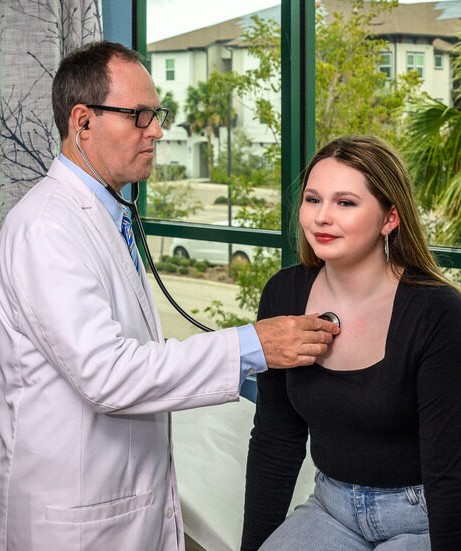
No two patients arrive with exactly the same medical history, concerns, or goals. Your recommendations are developed following an individual clinical evaluation rather than a predetermined protocol.
Depending on your needs, your care plan may include:
Primary Care
Ongoing medical care focuses on preventive health, routine health maintenance, and the evaluation and management of acute or chronic health concerns.
Lifestyle & Nutrition
Individualized recommendations related to nutrition, physical activity, sleep, stress management, and other everyday factors associated with health and wellness.
Functional Medicine
A systems-oriented clinical approach that considers how factors such as medical history, genetics, nutrition, lifestyle, environment, and physiological processes may contribute to an individual's overall health picture.
Laboratory & Diagnostic Testing
When clinically appropriate, laboratory testing may be considered to provide additional information relevant to evaluation and individualized care planning.
IV Nutrient Therapies
Physician-directed intravenous therapies may be considered for appropriate patients based on their clinical evaluation and individual care plan.
Advanced Integrative Therapies
FLIMC offers advanced services including EBOO and other ozone-based therapies. These therapies are considered individually and are recommended only when the physician determines that a particular service may be appropriate within the patient's overall care plan.
Ongoing Follow-up
Health needs and goals can change over time. Follow-up visits provide an opportunity to review progress, discuss laboratory findings, evaluate recommendations, and modify the care plan when appropriate
Integrative Medicine vs. Functional Medicine
Integrative medicine and functional medicine share many principles, but they are not identical.
A simple way to understand the difference is:
Integrative medicine is a broader philosophy of patient-centered care. Functional medicine is a clinical approach that may be used within that philosophy.
Integrative Medicine
-
- Considers the whole person
- Combines conventional care with selected complementary approaches when appropriate
- Emphasizes individualized care, prevention, wellness, and patient participation
- May incorporate primary care, nutrition, lifestyle recommendations, laboratory testing, IV therapies, and other services
Functional Medicine
-
- Uses a systems-oriented approach to understanding health
- Considers factors such as genetics, lifestyle, nutrition, environment, medical history, and physiological processes
- May use detailed history and laboratory information to help inform individualized care planning
- Can be incorporated as one component of a broader integrative medicine approach
At FLIMC, the two approaches often work together.
Integrative medicine provides the broader framework for care, while functional medicine principles may provide additional ways of evaluating an individual's health picture and developing personalized recommendations.
Learn More About Functional Medicine at FLIMC →
What About Holistic Medicine?
The terms holistic, integrative, and functional medicine are sometimes used interchangeably, but they have different meanings.
Holistic medicine broadly refers to considering the whole person—including physical, emotional, social, and lifestyle factors.
Integrative medicine shares that whole-person perspective while incorporating conventional medical care and selected complementary approaches.
Functional medicine is a systems-oriented clinical approach that may be incorporated into an integrative model.
At FLIMC, the label matters less than the individual patient. Our focus is on careful evaluation, physician judgment, informed decision-making, and developing an appropriate plan for each person's circumstances and goals.

Reasons Patients Seek Integrative Medicine
People come to Florida Integrative Medical Center for many different reasons.
Some are looking for a primary care physician who takes a broader view of health. Others want to discuss persistent or complex concerns, explore preventive strategies, or better understand factors that may be affecting their well-being.
Patients may come to FLIMC to discuss concerns related to:
- Healthy aging and preventive wellness
- Persistent fatigue or low energy
- Cognitive wellness or brain fog
- Digestive health
- Hormonal health
- Cardiovascular health
- Immune health
- Metabolic health and weight management
- Lyme disease and tick-borne illness
- Mold-related health concerns
- Autoimmune or inflammatory conditions
- Long COVID-related health concerns
This list does not mean that a particular integrative therapy is appropriate or effective for every condition. Evaluation and recommendations are individualized based on each patient's medical history, clinical presentation, and physician judgment.
Why Patients Choose FLIMC
Patients come to Florida Integrative Medical Center seeking a healthcare experience that provides time, attention, and individualized medical guidance.
They value:
- Physician-directed care
- Comprehensive evaluation
- More than 25 years of clinical experience
- An approach that incorporates conventional and integrative medicine
- Individualized care planning
- Patient education and communication
- An emphasis on long-term health and wellness
- Access to primary care and advanced integrative services within one practice
Our goal is to provide patients with the information and medical guidance they need to make informed decisions about their care.
Physician-Led Integrative Care at FLIMC
Choosing integrative care involves more than choosing from a menu of therapies.
Understanding when—and whether—a particular approach is appropriate requires medical evaluation, clinical experience, and careful consideration of the patient's overall health.
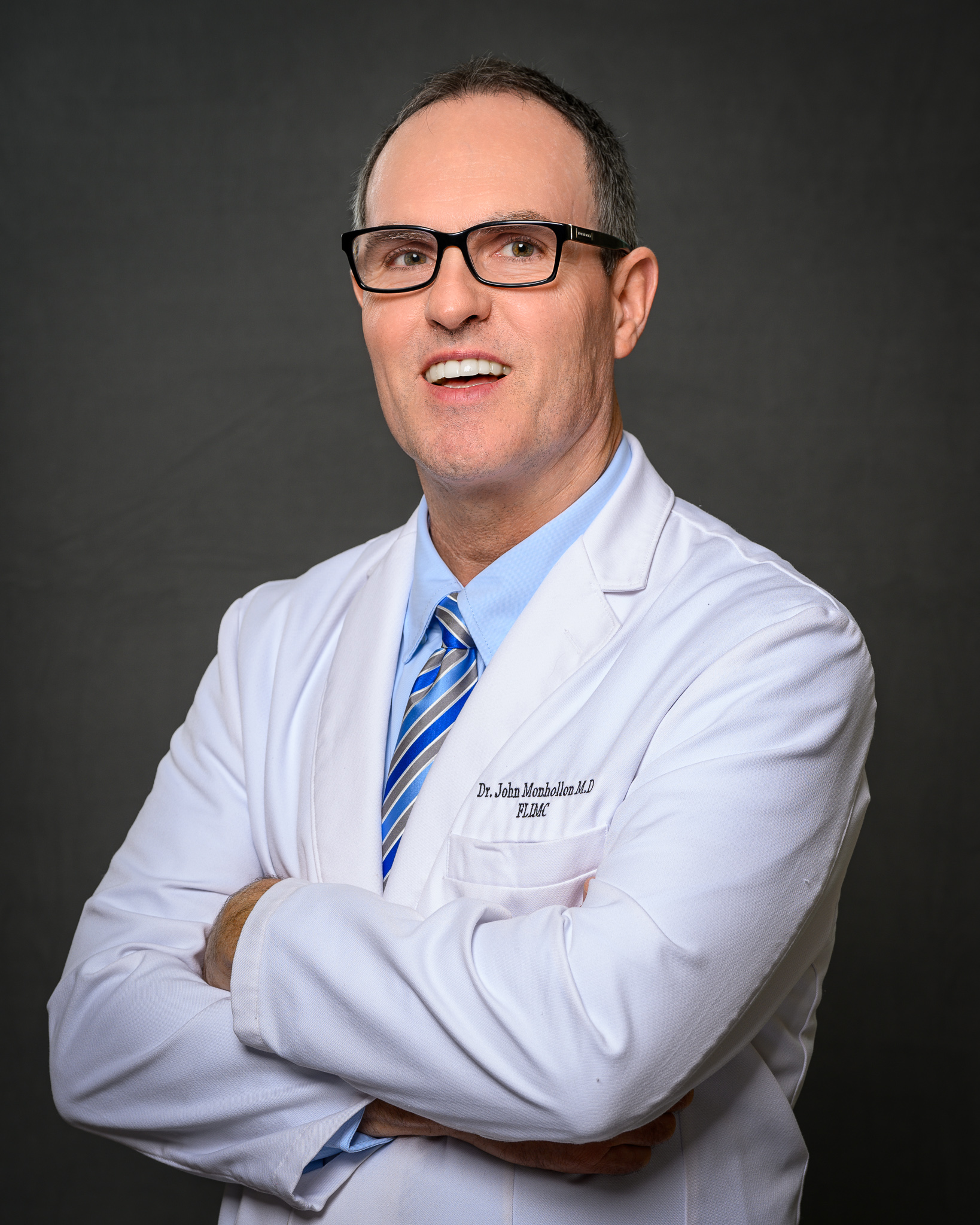
Florida Integrative Medical Center is led by Medical Director John Monhollon, MD, a board-certified family medicine physician with more than 25 years of clinical experience in primary care, integrative medicine, and functional medicine.
Dr. Monhollon has also completed advanced training in Lyme disease and tick-borne illness management through the International Lyme and Associated Diseases Society (ILADS) and has served as a physician mentor for healthcare providers pursuing advanced Lyme-focused education.
His experience also includes the use of advanced integrative therapies as part of individualized patient care.
At FLIMC, recommendations are based on the patient—not a predetermined protocol. Care plans are individualized and may be reviewed and adjusted as a patient's health needs and goals evolve.
Frequently Asked Questions About Integrative Medicine
What is integrative medicine?
Integrative medicine is a patient-centered approach to healthcare that considers the whole person and may combine conventional medical care with complementary approaches when appropriate. Care is individualized based on the patient's health history, clinical evaluation, needs, and goals.
Is integrative medicine the same as functional medicine?
No. Integrative medicine is a broader philosophy of care, while functional medicine is a systems-oriented clinical approach that may be used within an integrative model. FLIMC incorporates principles from both.
How is integrative medicine different from holistic medicine?
Holistic medicine broadly emphasizes consideration of the whole person. Integrative medicine shares that perspective while incorporating conventional medical care and selected complementary approaches when appropriate.
What can I expect during my first appointment?
Your first visit typically includes a detailed discussion of your medical history, current concerns, medications, previous testing, lifestyle, and health goals. Your physician may recommend additional evaluation or testing depending on your individual circumstances.
Does integrative medicine replace my primary care physician or specialists?
Not necessarily. FLIMC provides primary care for some patients, while others continue seeing their existing primary care physicians and specialists. Integrative medicine can complement other medical care, and coordination with other healthcare providers may be appropriate.
Will everyone receive the same treatment plan?
No. Recommendations are individualized. A particular therapy offered by FLIMC may not be appropriate or recommended for every patient.
What kinds of therapies might be considered?
Depending on your evaluation, recommendations may include conventional medical care, nutrition or lifestyle changes, laboratory testing, functional medicine principles, IV nutrient therapies, ozone-based therapies, or other physician-directed services when appropriate.
Will I need specialized laboratory testing?
Not necessarily. Your physician will determine whether additional testing is appropriate based on your medical history, current concerns, previous testing, and clinical evaluation.
Can I see an integrative medicine physician even if I don't have a specific health concern?
Yes. Some patients seek integrative care to discuss preventive health, healthy aging, nutrition, lifestyle habits, and other factors related to their overall wellness.
How do I know if integrative medicine is right for me?
A consultation provides an opportunity to discuss your medical history, concerns, goals, and expectations with a physician. Together, you can determine whether FLIMC's approach is appropriate for your needs and what next steps, if any, may be recommended.
Begin Your Integrative Health Journey
Whether you're looking for primary care, exploring integrative or functional medicine, or seeking a more personalized approach to your healthcare, Florida Integrative Medical Center provides physician-directed care centered on your individual needs and goals.
Every patient's story is different.
Schedule a consultation with Dr. John Monhollon to discuss your health concerns, ask questions, and explore the care options that may be appropriate for you.