
Why Lyme Disease Is Often Difficult to Diagnose
Lyme disease can sometimes be straightforward to recognize. In other cases, determining whether Lyme disease is responsible for a patient's symptoms can be more complicated.
Symptoms can overlap with other illnesses. A person may not remember a tick bite or notice the characteristic rash. The timing of laboratory testing can also affect results.
For these reasons, evaluating possible Lyme disease involves considering symptoms, possible exposure, other potential causes, and laboratory testing when appropriate.
Lyme Disease Symptoms Can Resemble Other Conditions
Many symptoms associated with Lyme disease are nonspecific.
Fatigue, headache, muscle aches, joint pain, fever, numbness, tingling, and other symptoms can occur with numerous medical conditions.
That creates an important diagnostic challenge: having symptoms associated with Lyme disease does not necessarily mean Lyme disease is the cause.
A careful evaluation considers whether symptoms are consistent with Lyme disease while also considering other possible explanations.
Not Everyone Remembers a Tick Bite
A person does not necessarily need to remember a tick bite for Lyme disease to be considered.
Ticks can be very small, particularly during the nymph stage, and may attach in areas that are difficult to see. A tick may also detach before someone realizes it was present.
Exposure history therefore involves more than asking whether a patient remembers a bite. Where someone lives or has traveled and potential exposure to blacklegged ticks can provide important context.
The Lyme Disease Rash Doesn't Always Look Like a Bull's-Eye
The erythema migrans (EM) rash is one of the most recognizable signs of Lyme disease, but the familiar bull's-eye image can create a misleading expectation.
An EM rash can vary considerably in appearance and does not always develop the classic target-like pattern. It can also occur in an area of the body that is difficult to see.
The absence of a recognized bull's-eye rash therefore does not, by itself, rule out Lyme disease.
Learn more: 10 Symptoms That Could Suggest Lyme Disease
The Timing of Lyme Disease Testing Matters
Laboratory testing is an important part of evaluating many suspected cases of Lyme disease, but timing matters.
Recommended Lyme disease blood tests detect antibodies produced by the immune system in response to infection. Because these antibodies take time to develop, serologic testing can sometimes be negative during the first several weeks after infection.
CDC recommends a two-step testing process using FDA-cleared serologic tests when laboratory testing is indicated.
Test results are interpreted in the context of the patient's symptoms, likelihood of tick exposure, timing, and other possible causes of illness.
Lyme Disease Can Look Different Over Time
Lyme disease does not necessarily look the same throughout the course of illness.
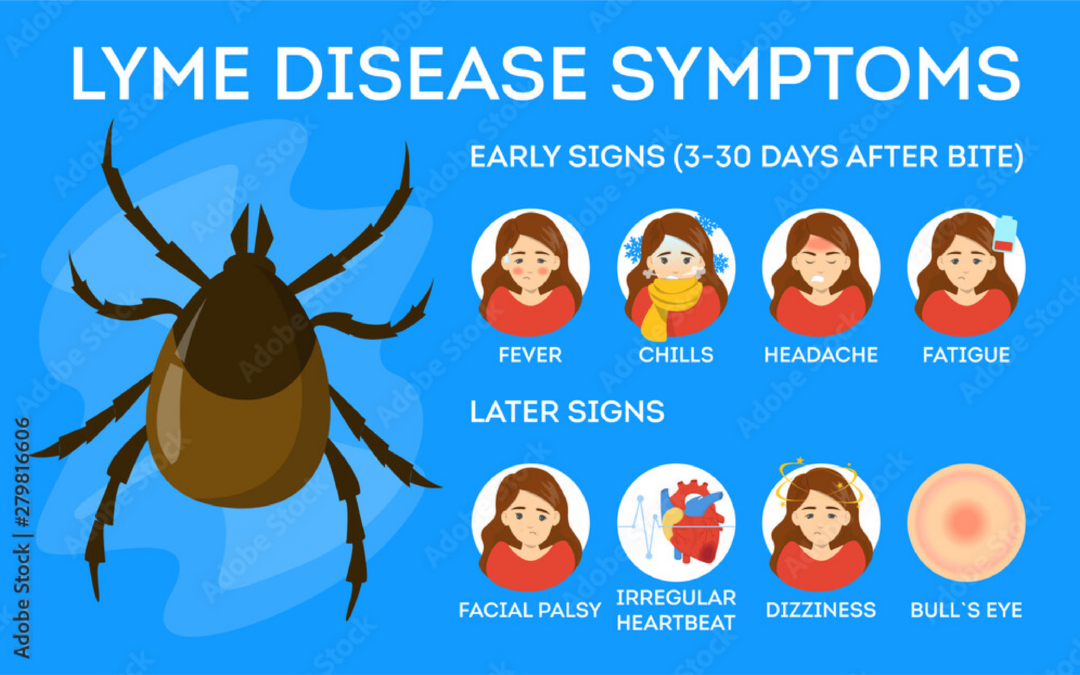
Early symptoms may include fever, chills, headache, fatigue, muscle and joint aches, swollen lymph nodes, or an EM rash.
Untreated infection can later produce additional manifestations involving the joints, nervous system, and, less commonly, the heart.
Understanding which symptoms appeared, when they began, and how they changed can therefore provide useful clinical context.
Other Tick-Borne Illnesses May Need to Be Considered
Blacklegged ticks can transmit infections in addition to Lyme disease, and some symptoms can overlap.
Depending on a person's symptoms, exposure history, and geographic location, a physician may consider other tick-borne illnesses as part of the evaluation.
This is another reason not to assume that unexplained symptoms following possible tick exposure are necessarily caused by Lyme disease.
Lyme Disease Diagnosis Is More Than a Symptom Checklist
It can be tempting to count symptoms:
I have fatigue, joint pain, headaches, and tingling. Does that mean I have Lyme disease?
Not necessarily.
Symptoms provide important information, but evaluating possible Lyme disease may also include:
- The nature and pattern of symptoms
- When symptoms began and how they have changed
- The likelihood of exposure to infected blacklegged ticks
- Geographic and travel history
- Physical examination findings
- Previous diagnoses, testing, and treatment
- Other possible causes of symptoms
- Laboratory testing when indicated
Together, this information helps a physician determine appropriate next steps.
Can a Lyme Disease Test Be Negative Early in Infection?
Yes. Recommended Lyme disease blood tests detect antibodies produced by the immune system, and those antibodies can take several weeks to develop. As a result, serologic testing may be negative early in infection.
This is why the timing of testing and the patient's clinical circumstances matter when test results are interpreted.
What If Symptoms Continue but the Cause Is Unclear?
Persistent or unexplained symptoms deserve careful evaluation, but they should not automatically be attributed to Lyme disease.
Fatigue, pain, neurological symptoms, and other ongoing complaints can have many possible causes. When the cause remains unclear, reviewing the patient's history, symptoms, previous testing and treatment, and other possible explanations can help determine appropriate next steps.
Lyme Disease Evaluation at Florida Integrative Medical Center
At Florida Integrative Medical Center, evaluation for suspected or previously diagnosed Lyme disease begins with a comprehensive review of the individual patient's clinical picture.
This may include symptoms and their progression, medical history, possible tick exposure, previous laboratory results and treatment, and other factors relevant to the evaluation.
Medical Director Dr. John Monhollon, MD, is a family medicine physician with more than 25 years of clinical experience in integrative and functional medicine. He has completed advanced training in Lyme disease and tick-borne illness management through the International Lyme and Associated Diseases Society (ILADS) and has served as a physician mentor for healthcare providers pursuing advanced Lyme-focused education.
The objective is not to assume that Lyme disease is responsible for unexplained symptoms, but to evaluate the available information and determine appropriate next steps based on each patient's individual circumstances.
Concerned About Possible Lyme Disease?
If you have unexplained symptoms, possible tick exposure, questions about previous Lyme disease testing, or a previous Lyme disease diagnosis, a medical evaluation can help determine appropriate next steps.
Schedule a consultation with Florida Integrative Medical Center to discuss your symptoms, medical history, possible exposure, previous testing and treatment, and concerns with an experienced physician.
Frequently Asked Questions About Lyme Disease Diagnosis
Why can Lyme disease be difficult to diagnose?
Lyme disease symptoms can overlap with many other medical conditions. A person may not remember a tick bite or recognize an erythema migrans rash, and the timing of laboratory testing can affect results. Evaluation may therefore consider symptoms, possible tick exposure, medical history, other potential causes, and laboratory testing when indicated.
Can you have Lyme disease without a bull's-eye rash?
Yes. The erythema migrans (EM) rash associated with Lyme disease does not always have the classic bull's-eye appearance. It can vary considerably in appearance and may occur in an area that is difficult to see. The absence of a recognized bull's-eye rash does not, by itself, rule out Lyme disease.
Can you have Lyme disease without remembering a tick bite?
Yes. Ticks can be very small, particularly during the nymph stage, and may attach in areas that are difficult to see. A tick may also detach before a person realizes it was present. For this reason, possible exposure is considered along with whether a patient remembers a specific bite.
Can a Lyme disease blood test be negative early in infection?
Yes. Recommended Lyme disease blood tests detect antibodies produced by the immune system in response to infection. Because these antibodies take time to develop, serologic testing can sometimes be negative during the first several weeks after infection. The timing of testing is therefore important when results are interpreted.
What testing is recommended for Lyme disease?
The CDC recommends a two-step serologic testing process using FDA-cleared tests when laboratory testing is indicated. Test results are interpreted along with symptoms, the likelihood of tick exposure, timing, and other possible causes of illness.
What information does a physician consider when evaluating possible Lyme disease?
Evaluation may include the nature and progression of symptoms, possible exposure to infected blacklegged ticks, geographic and travel history, physical examination findings, medical history, previous testing and treatment, other possible causes of symptoms, and laboratory testing when indicated.