
For many patients, a visit to the doctor begins with a specific problem: a new symptom, a change in how they feel, an abnormal laboratory result, or a health concern that hasn't been fully resolved.
But increasingly, patients are looking for something more than an answer to the immediate question.
They want a physician who understands their history. They want time to explain what has been happening. They want to understand their options. And when several health concerns are involved, they may want someone who can help them see the bigger picture.
That desire is contributing to growing interest in more personalized medical care.
Patients Want to Feel Known, Not Just Treated
One of the traditional strengths of primary care is continuity — having a physician who knows you over time.
That familiarity provides context.
A new symptom may deserve a different conversation when considered alongside previous illnesses, medications, laboratory findings, family history, or other changes in health.
Yet patients may find themselves repeating their history as they move among physicians, specialists, urgent care centers, and other healthcare settings. Medical records can document diagnoses and test results, but they don't always capture the full story of how a person's health has changed.
For many patients, personalized care begins with something simple but important: having a physician who knows their story.
Some Health Concerns Need a Broader Conversation
Not every medical problem is complicated. Sometimes a straightforward concern requires a straightforward solution.
But patients with multiple symptoms, chronic health concerns, or a long medical history may arrive with years of laboratory results, specialist evaluations, medication changes, diagnoses, or treatments they have already tried.
Some are also wondering whether several concerns should be considered together rather than one at a time.
The goal isn't to make healthcare more complicated. It is to have enough opportunity to determine what information is relevant and what deserves further evaluation.
Patients Are Asking More Questions
Access to health information has changed dramatically.
Patients can view laboratory results through online portals, track aspects of their health, research conditions, and arrive at an appointment with questions they might never have asked a generation ago.
But more information doesn't necessarily mean better understanding. Online health information varies widely in quality, and test results without medical context can create as many questions as answers.
Patients may want to know:
- What do these findings mean for me?
- Are changes over time significant?
- What are my options?
- Why are you recommending this test or treatment?
- Are there lifestyle factors I should consider?
- What should we watch going forward?
The physician-patient conversation remains an important part of turning information into appropriate medical decisions.
Patients Want to Participate in Healthcare Decisions
Many patients also want to understand recommendations and participate appropriately in decisions about their care.
That doesn't replace the physician's medical expertise. It recognizes that healthcare decisions may involve both clinical information and individual circumstances.
A recommendation may need to consider a patient's goals, previous experiences, other medical conditions, medications, lifestyle, and preferences.
When patients understand why something is being recommended, they are better equipped to have an informed conversation about the next step.
Prevention Is Part of the Picture
Patients don't only seek medical care because something hurts.
Many are thinking about maintaining health as they age, understanding changes in laboratory findings, managing risk factors, improving health habits, and addressing concerns before they become more significant.
Primary care has long played an important role in prevention through screenings, immunizations, routine examinations, and management of health risks.
A personalized approach considers those recommendations within the context of the individual patient's history and circumstances.
The question becomes not simply, “What is generally recommended?” but also “What is appropriate for this patient?”
Complex Care Can Make Continuity Even More Valuable
Patients managing multiple or persistent health concerns may see several healthcare professionals.
Specialists play an essential role by bringing focused expertise to particular conditions and body systems. But as care becomes more complex, it can also be useful to have a physician who maintains a broader view.
Primary care can provide that point of continuity — helping keep medications, testing, specialist recommendations, new symptoms, and ongoing concerns in context.
It doesn't replace specialty care. It helps connect the pieces.
Where Functional and Integrative Medicine Fit
Interest in personalized care also helps explain why some patients explore functional and integrative medicine.
Functional medicine often places additional emphasis on examining factors and relationships that may contribute to complex or chronic health concerns.
Integrative medicine may combine conventional medical care with selected complementary approaches when clinically appropriate.
These approaches are not substitutes for primary care, nor are they appropriate for every situation. But elements of functional or integrative medicine may be incorporated into an ongoing physician-patient relationship when appropriate.
For some patients, the appeal isn't a particular therapy.
It is the opportunity to have a broader medical conversation.
Personalized Medical Care at Florida Integrative Medical Center
At Florida Integrative Medical Center in Sarasota, that broader conversation begins with time.
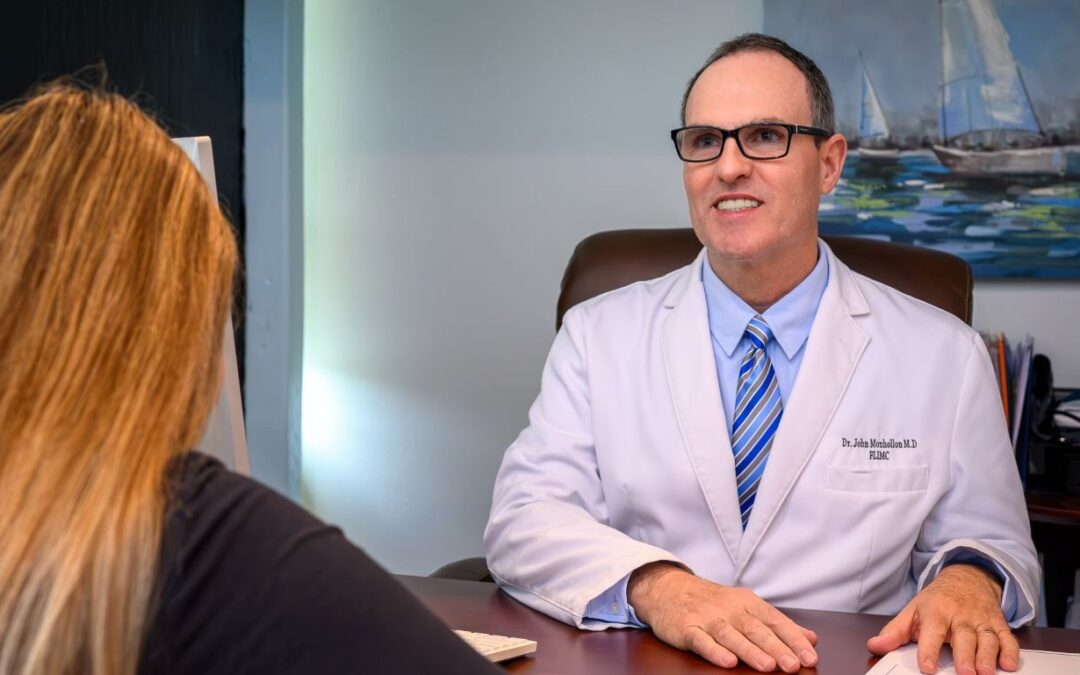
New patients are asked to set aside two hours for their initial appointment with Medical Director Dr. John Monhollon. Depending on individual needs and complexity, the physician portion of the visit may range from approximately 90 minutes to two hours.
Subsequent physician visits may also allow additional time when needed, with some appointments lasting up to an hour depending on the reason for the visit.
But appointment length isn't the objective in itself.
The purpose is to create an opportunity to understand the patient's history, review relevant information, ask questions, discuss concerns, and determine an appropriate approach to care.
Dr. Monhollon is a family medicine doctor and has more than 25 years of clinical experience, with a background that includes primary care, integrative medicine, and functional medicine.
What Should You Look for in Personalized Medical Care?
“Personalized” can mean different things at different practices.
If this type of medical relationship is important to you, consider asking:
- Will I generally see the same physician?
- How much time is available for an initial visit?
- How are previous records and laboratory findings reviewed?
- How does the practice approach preventive care?
- How does the physician coordinate with specialists?
- Will I have an opportunity to ask questions and understand recommendations?
Those practical details may tell you more about a practice than the terminology used on its website.
The Diagnosis Matters. So Does the Person Who Has It.
Medicine depends on evidence, clinical training, diagnostic tools, and established standards of care. But those tools are ultimately applied to individuals.
Two people may arrive with the same diagnosis and very different histories, circumstances, concerns, and goals.
That is one reason patients may seek a medical relationship that provides continuity, context, communication, and individualized decision-making.
The diagnosis matters. So does the person who has it.
At Florida Integrative Medical Center, our goal is to understand both.
Interested in a more personalized approach to your medical care? Contact Florida Integrative Medical Center in Sarasota to learn more about becoming a patient.
Frequently Asked Questions
Why are patients interested in more personalized medical care?
Patients may be looking for greater continuity with a physician, more opportunity to discuss their medical history and concerns, individualized recommendations, and a better understanding of their healthcare options.
What does personalized medical care mean?
Personalized medical care considers the patient's history, current concerns, medications, laboratory findings, lifestyle, goals, and other relevant factors when making healthcare decisions. The exact approach varies depending on the patient and practice.
Is personalized medical care the same as functional medicine?
No. Personalized care describes an individualized approach to the patient. Functional medicine may place additional emphasis on factors and relationships that contribute to complex or chronic health concerns. Functional medicine principles may be incorporated into personalized care when appropriate.
Why is continuity important in primary care?
Continuity allows a physician to understand a patient's medical history and consider new findings or concerns in the context of previous care. This can be particularly useful for patients managing multiple or ongoing health concerns.
Does personalized care mean more medical testing?
Not necessarily. Personalized care does not mean every patient requires extensive testing. Testing should be based on medical history, symptoms, examination, existing findings, and the physician's clinical judgment.
How can I tell whether a medical practice provides personalized care?
Ask practical questions about appointment length, physician continuity, review of previous records, preventive care, coordination with specialists, and opportunities to discuss recommendations and ask questions.